
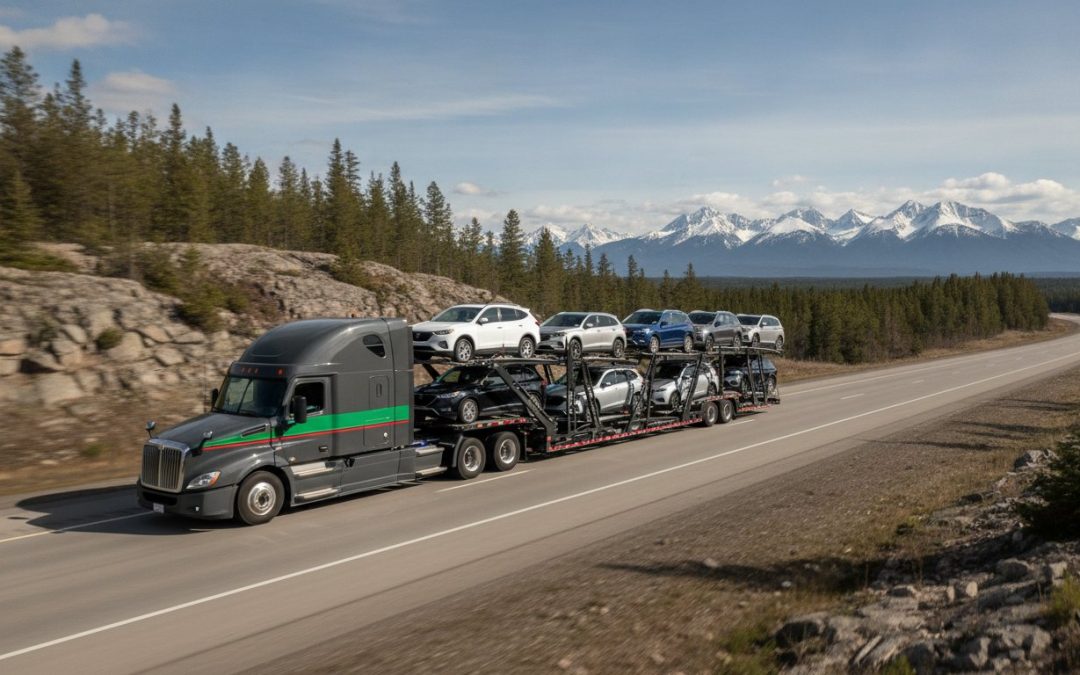
Driving your vehicle from Halifax to Vancouver isn’t a scenic road trip; it’s a 6,000-kilometre logistics challenge that puts unnecessary strain on your engine. When you start researching canada coast to coast car shipping, you aren’t just looking for a trailer. You’re looking for a way to protect your investment. It’s common to feel overwhelmed by uncertain delivery timelines, hidden brokerage fees, or the risk of road debris damage over such a massive distance. You need a solution that simplifies the coordination and keeps you informed.
We know that managing a cross-country move is a heavy lift. This 2026 guide provides the expert insights you need to master the complexities of vehicle transport, from verifying carrier insurance to choosing the most efficient routes. We’ll show you how professional dispatching eliminates the guesswork and ensures your car, truck, or SUV is handled with care. You’ll learn about current transit times, industry cost factors, and the benefits of having a single, reliable point of contact for the entire journey.
Key Takeaways
- Navigate 5,000 kilometres of diverse Canadian geography with a clear understanding of how climate and road conditions affect your move.
- Evaluate the trade-offs between cost-effective rail transport and the convenient door-to-door flexibility of canada coast to coast car shipping by road.
- Identify the specific factors, from vehicle weight to route distance, that dictate your final costs and transit timelines in 2026.
- Streamline your preparation by mastering the Bill of Lading process and ensuring your vehicle meets strict carrier safety requirements.
- Simplify your logistics chain by using a professional dispatcher to vet carriers and manage the entire cross-country move through one contact.
Navigating the Logistics of Canada Coast to Coast Car Shipping
Coast-to-coast shipping is the professional relocation of a vehicle across the second-largest country on Earth. When you arrange canada coast to coast car shipping, you are moving an asset over 5,000 kilometres. This journey spans multiple climate zones and diverse road conditions. It isn’t just a delivery; it’s a massive logistical operation that requires precision. Moving a car across the country, from one coast to the other, involves crossing four time zones and several distinct geographic regions.
Driving a vehicle yourself might seem like a way to save money. Most people quickly realize the true cost. You pay for thousands of litres of fuel. You pay for hotels, meals, and the rapid depreciation of your odometer. Professional hauling replaces these variables with a single, predictable fee. It keeps your car safe on a trailer while you focus on your move. It’s about buying back your time and peace of mind.
The Trans-Canada Challenge: Why Professional Help Matters
The route across the Canadian Shield and the Prairie corridors is notoriously tough. Road debris, gravel, and extreme temperature shifts take a heavy toll on paint and glass. Professional transport minimizes these risks by elevating your vehicle onto a specialized trailer. Modern vehicle delivery logistics Canada strategies in 2026 prioritize safety and route optimization. Keeping your car off the highway during peak summer or winter seasons prevents unnecessary wear and tear. It also shields your odometer from thousands of kilometres of depreciation.
National Reach: Connecting Economic Corridors
Dispatchers are the architects of Canada’s transportation network for vehicles. They connect high-demand economic corridors across the country. Shipping to any major hub is straightforward. However, remote drop-offs in northern regions or small towns require precise coordination between different carriers. A dispatcher makes canada coast to coast car shipping look easy by handling the background details. They manage these hand-offs so you don’t have to deal with multiple contracts. The ‘One-Stop’ model is a centralized hub that manages all national carrier coordination to provide clients with a single point of contact.
Choosing the Right Transport Method: Rail vs. Road
You have two main paths for canada coast to coast car shipping: the tracks or the pavement. The best choice depends on your budget, your vehicle’s value, and how quickly you need it delivered. Every move is different. A professional dispatcher looks at these variables to build a plan that fits your specific needs. They weigh the cost savings of rail against the speed and convenience of road transport to ensure your vehicle arrives on time.
The Pros and Cons of Rail Transport
Rail is often the most budget-friendly option for moving vehicles between major hubs like Toronto, Calgary, and Vancouver. It’s a high-capacity solution. It’s also the greener choice, as trains produce significantly fewer emissions per vehicle than a fleet of individual trucks. However, rail operates on rigid schedules. You can’t request a specific pick-up day, and transit times are often longer. You must also drop your vehicle at a secure terminal, as trains don’t offer residential service. If you aren’t in a rush and live near a major rail centre, this is a solid logistical move.
Road Transport: Open vs. Enclosed Carriers
Road transport offers the flexibility that rail lacks. Open-carrier trucking is the industry workhorse. It’s the standard method used to deliver new cars to dealerships across the country. It provides the convenience of door-to-door service, which saves you a trip to a busy terminal. For most daily drivers, SUVs, and vans, this is the most efficient balance of cost and speed. It’s the most common way to handle canada coast to coast car shipping because it fits almost any timeline.
Enclosed transport is the premium alternative. It’s essential for protecting high-value assets from the harsh realities of Canadian geography. Road salt, slush, and gravel are constant threats during a 5,000-kilometre journey. An enclosed trailer keeps your vehicle in a protected environment, free from road spray and debris. While it costs more, the investment is worth it for classic cars, luxury models, or brand-new purchases. Staying informed on vehicle safety and import regulations ensures your transport method meets all standards for inter-provincial moves in 2026.
Choosing between these methods shouldn’t be a guessing game. We analyze current carrier availability and rail schedules to find the fastest route for your budget. Our role is to simplify the decision by presenting the most reliable options for your specific vehicle type. You can request a tailored transport plan to see which method serves your route best.
Understanding Transit Times and Cost Factors in 2026
Distance is the primary driver of your final quote. Shipping a vehicle 4,500 kilometres across the country is a massive undertaking. It is fundamentally different from a short move between neighbouring provinces. Long-haul routes require more fuel, more driver hours, and more complex scheduling. Every extra kilometre adds a layer of coordination to ensure the vehicle remains on track and secure throughout the journey.
Your vehicle’s physical profile also dictates the price. A heavy-duty truck occupies significantly more space on a trailer than a standard sedan. It also adds more weight, which increases fuel consumption for the carrier. Because carriers have strict weight limits, a heavier vehicle often displaces another potential spot on the trailer. This is why shipping a large SUV or a work van requires a different pricing structure than a compact car.
Seasonal shifts are a reality of the Canadian climate. Winter road conditions often lead to higher rates due to increased risk and slower travel speeds. You can find a detailed breakdown of these variables in our vehicle transport cost Canada guide. It helps you realize how timing and vehicle type affect your bottom line before you book.
How Long Does Coast-to-Coast Shipping Actually Take?
You should set realistic expectations for a national relocation. Most canada coast to coast car shipping orders take between 10 and 21 days to complete. This timeline accounts for the vast distances and the safety of the driver. Mandatory rest periods and weather-related detours are common in regions like the Canadian Shield or the Rockies. While express options exist for urgent moves, they come at a significant price premium due to the dedicated resources required.
2026 Market Trends: Fuel, Carbon, and Capacity
Economic factors in 2026 play a major role in your final invoice. Fuel surcharges and carbon pricing are now standard components of logistics pricing. According to Canadian transportation industry statistics, operational costs for long-haul trucking continue to shift based on national energy policies and infrastructure demands. These variables make professional oversight even more valuable for protecting your budget.
Carrier capacity is another critical factor. Booking your shipment 2 to 4 weeks in advance is essential for securing a spot on high-volume national routes. A professional dispatcher adds value here by bundling shipments. We negotiate better rates by filling trailers on high-volume lanes, passing those savings and reliability directly to you. This proactive approach ensures you aren’t left waiting for a spot during peak moving seasons.
Essential Preparation for Long-Haul Vehicle Relocation
Preparing for canada coast to coast car shipping starts well before the trailer pulls up to your driveway. This is a 5,000-kilometre journey that requires more than just handing over your keys. Proper preparation ensures your vehicle is processed quickly and arrives in the same condition it left. It also protects you from unnecessary disputes or delays at provincial borders. Taking a few proactive steps now will save you hours of stress later in the move.
A thorough cleaning is your first priority. You cannot perform an accurate condition report on a car covered in road salt or dust. Wash the exterior and vacuum the interior so every panel is clearly visible. Once the car is clean, remove all personal belongings. Carriers are licensed to transport vehicles, not household goods. Items left in the trunk or back seat can lead to fines at weigh scales or damage that isn’t covered by the carrier’s policy. It’s best to leave the vehicle completely empty except for the spare tire and jack.
Mechanical readiness is equally important. Your vehicle must be in “run and drive” condition to qualify for standard shipping rates. Check the following before the carrier arrives:
- Battery: Ensure it’s fully charged and the terminal connections are tight.
- Fluids: Check for leaks and top up oil, coolant, and washer fluid.
- Tires: Confirm they are inflated to the correct pressure to prevent flat spots.
- Fuel: Keep the tank at approximately one-quarter full to reduce weight while still allowing for loading and unloading.
Document the current state of your vehicle with high-resolution photos. Capture all four sides, the roof, and the wheels. These photos serve as your baseline evidence if you need to file a claim later. You can book your professional transport today and receive a checklist to help you stay organized.
Insurance and Liability: What You Need to Know
Understanding the difference between your personal comprehensive policy and carrier insurance is vital. Your personal insurance might not cover your vehicle while it’s being hauled by a third party. We solve this by vetting every carrier in our network to ensure they maintain valid, up-to-date cargo insurance. This vetting process is a core part of our one-stop dispatching service. It removes the burden of verification from your shoulders and ensures your asset is protected by professionals who meet national standards.
The Bill of Lading: Your Most Important Document
The Bill of Lading is the official contract of carriage and your primary condition record. It’s the most important piece of paper you’ll handle during the move. Never sign this document without performing a full walk-around of the vehicle with the driver. At the destination, repeat this inspection before the driver leaves. If you notice any discrepancies or new damage, you must note them directly on the Bill of Lading at the time of delivery. This document is the foundation of the entire logistics chain and your ultimate protection.
Why Professional Dispatching is the Key to National Transport
Professional dispatching is the engine that drives a successful move across the country. When you arrange canada coast to coast car shipping, you shouldn’t have to manage the logistics yourself. The ‘One-Stop’ advantage means one phone call handles the entire chain. You don’t need to coordinate with multiple drivers or track down different companies. We handle the carrier selection, the scheduling, and the communication. It’s a stress-relief solution that lets you focus on your move while we handle the background details.
Safety is our absolute priority. We use a rigorous vetting process to filter out carriers that lack proper credentials. We verify cargo insurance and safety fitness certificates for every partner in our network. This level of scrutiny is something most individuals or busy dealerships don’t have time to perform. By acting as your advocate, we ensure your vehicle is only placed with high-capacity, reliable professionals. We are proud to be a leader in car hauling services Alberta and across the entire Canadian landscape.
The human element sets us apart from automated quote bots. Logistics is unpredictable. Weather shifts, road closures, and mechanical issues happen. Having a dedicated dispatcher means you have a real person to solve problems mid-transit. GO DISPATCH doesn’t just provide a quote; we provide a partnership. We monitor the progress of your vehicle and provide transparent updates, so you’re never left in the dark during a 5,000-kilometre journey.
Streamlining the Move for Individuals and Dealerships
Dealerships managing inventory relocation need speed and reliability to protect their bottom line. We save them time by centralizing the scheduling of multiple units across provincial lines. For individuals, the benefit is pure peace of mind. You don’t have to negotiate with trucking companies or worry about the details of the Trans-Canada route. Our centralized tracking ensures you always know where your car, truck, or SUV is located. We simplify the process so it requires minimal effort from your side.
Your Next Steps: Booking a Seamless Move
Ready to start your move? Gather your vehicle’s make, model, and year along with your preferred dates. We recommend booking 2 to 4 weeks in advance to secure the best rates on high-volume national lanes. Early booking gives us more time to find the most efficient route for your specific timeline. It also ensures we can match you with the best carrier for your vehicle type. Get your national vehicle transport quote from GO DISPATCH today and let us handle the heavy lifting.
Take the Next Step in Your National Relocation
Moving a vehicle 5,000 kilometres is a significant milestone in any cross-country transition. By now, you understand how to navigate the choice between rail and road, how to prepare your asset for the journey, and why the Bill of Lading is your ultimate legal shield. Success in canada coast to coast car shipping comes down to thorough preparation and choosing a partner who understands the specific demands of the Canadian Shield and the Rockies. You’ve mastered the logistics; now it’s time to put that plan into motion.
We manage the logistics for cars, trucks, and SUVs using a national network of carriers with verified insurance. GO DISPATCH provides the one-stop dispatching service you need to eliminate the stress of coordinating with multiple drivers across different time zones. You can focus on your new beginning while we ensure your vehicle arrives safely and on schedule. Let GO DISPATCH handle your coast-to-coast logistics-get a quote now. We look forward to facilitating a smooth, professional move that respects both your timeline and your budget.
Frequently Asked Questions
How much does it cost to ship a car across Canada in 2026?
The cost depends on several factors including the total distance, the vehicle’s weight, and your chosen transport method. Shipping a heavy-duty truck or a large SUV naturally costs more than a standard sedan because it occupies more space on the trailer. Seasonal demand also plays a major role. Rates often fluctuate during the busy summer months or the winter snowbird season. We provide a clear price structure based on your specific route and vehicle type.
Can I leave personal items inside my car during transport?
You should not leave personal belongings in your vehicle. Carriers are licensed to transport vehicles; they are not licensed as household movers. Items left inside add weight and can cause damage to the interior during the 5,000-kilometre journey. Most importantly, these items are not covered by the carrier’s cargo insurance. It’s best to keep your car empty to ensure a smooth inspection and a faster loading process.
How long does it take to ship a vehicle from coast to coast?
A typical coast-to-coast move, such as Halifax to Vancouver, generally takes 10 to 14 days. If you are shipping on a common route like Toronto to Vancouver, the transit time is usually 7 to 10 days. These timelines account for mandatory driver rest periods and safely navigating different climate zones. Weather conditions and remote delivery locations can occasionally extend these estimates, so we recommend booking with a flexible window.
Is my vehicle insured during the entire transport process?
Yes, your vehicle is covered by the carrier’s cargo insurance while it is on the trailer. We verify that every carrier in our national network maintains valid, up-to-date insurance that meets 2026 inter-provincial regulations. This provides protection against transit-related damage. You should still maintain your personal comprehensive policy for added peace of mind. Always review the condition report on your Bill of Lading at both the origin and destination points.
What is the difference between a car transport broker and a carrier?
A carrier owns the trucks and performs the actual physical transport of your vehicle. A dispatcher or broker acts as your logistics partner. We coordinate the entire move, vet the carriers for safety, and manage the scheduling. This ‘One-Stop’ model saves you time because you don’t have to negotiate with multiple trucking companies. We use our high-capacity network to find the most efficient route and the most reliable driver for your specific move.
Do you offer door-to-door car shipping across all provinces?
We coordinate door-to-door service across all provinces to make canada coast to coast car shipping as simple as possible. This is the most popular and convenient method for our clients. The carrier will pick up and deliver your vehicle as close to your specified addresses as safely possible. If your street is too narrow for a large transport trailer, the driver will coordinate a nearby parking lot for a safe hand-off.
Can I ship a non-running vehicle across the country?
You can ship a non-running vehicle, but it requires specialized equipment. The carrier must use a winch or a forklift to load and unload the vehicle safely. You must disclose the vehicle’s condition during the booking process so we can assign a carrier with the right tools. Shipping a non-runner involves a price premium because of the extra labour and equipment required, but it is a standard service we coordinate regularly.
What documents do I need to provide for inter-provincial car shipping?
You need to provide a few basic documents to ensure a legal and smooth transition across provincial borders. These include a copy of the vehicle’s registration, proof of ownership, and your valid photo identification. The most critical document is the Bill of Lading, which the driver provides at the time of pick-up. This acts as your contract and the official record of the vehicle’s condition. Always keep a copy for your records until the delivery is complete.