
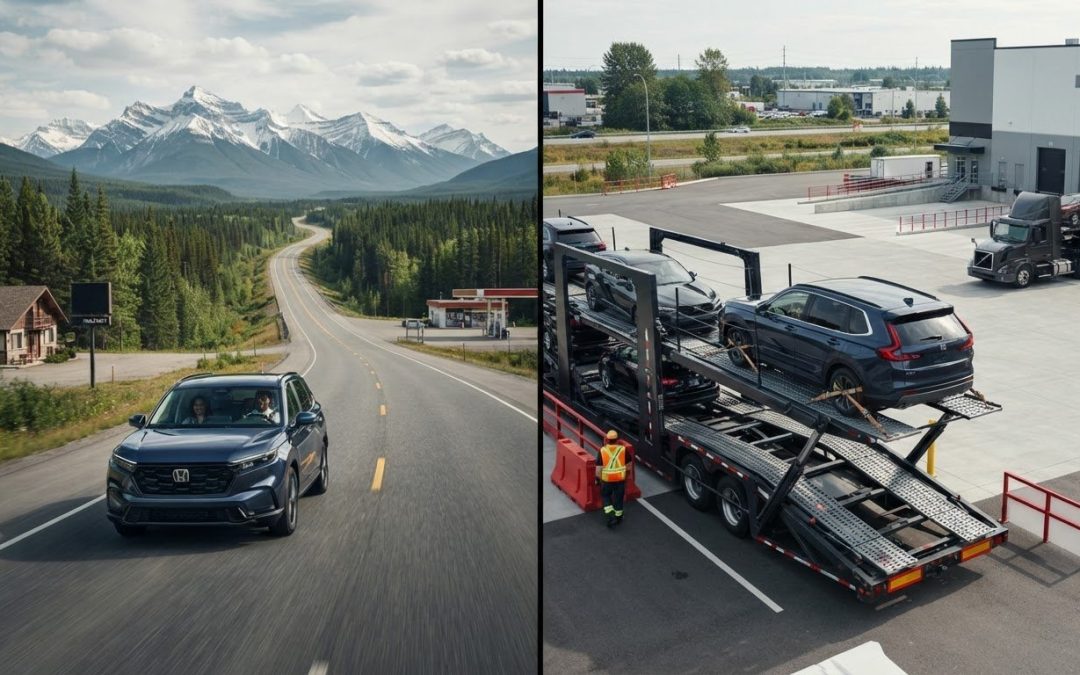
Driving your vehicle can look cheaper than shipping it, until a fuel-only estimate grows to include overnight stays, meals, road wear, and time away. A useful cost analysis of driving vs shipping a vehicle compares the full trip, not just your fuel bill with a transport quote.
It’s easy to see why driving seems straightforward: you already own the vehicle, so the added costs may appear limited. But the total depends on your route, vehicle, travel plans, and whether you need to return home after the drive. A shipping quote also needs a closer look to confirm which services and related expenses are included.
This article will help you compare both options using the same assumptions and identify the costs that apply to your circumstances. We’ll look at driving expenses such as fuel, accommodation, food, vehicle wear, possible repairs, and the value of your time, alongside shipping considerations and return travel. Then you can weigh the trade-offs and choose an option that fits your budget, schedule, and priorities, without relying on averages that may not match your trip.
Key Takeaways
- Compare driving and shipping for the same vehicle and journey, including the costs and time each option involves.
- Estimate fuel using your route distance, your vehicle’s fuel economy, and the current fuel price. Then add any other trip expenses that apply.
- Review a written shipping quote carefully. Confirm the vehicle details, service scope, pickup and delivery arrangements, and estimated timing.
- Use a side-by-side comparison to show each option’s total, excluded expenses, time, and assumptions.
- A practical cost analysis of driving vs shipping a vehicle uses your confirmed route details and quote terms to help you choose based on your budget, schedule, and priorities.
Driving vs. Shipping a Vehicle: What Costs Belong in a Fair Comparison?
Driving combines the cost of the trip with the cost of using the vehicle. Shipping combines transport charges with the arrangements needed to coordinate its movement. A fair cost analysis of driving vs shipping a vehicle compares the full cost of each option for the same vehicle and journey, rather than weighing a fuel estimate against a shipping quote.
Separate direct expenses from less visible costs. Fuel, meals, overnight stays, and return travel are cash expenses. Added kilometres can contribute to wear and maintenance, while time on the road may mean time away from work or other commitments. For a broader view of vehicle-related costs, the total cost of ownership framework looks beyond the initial purchase price.
There’s no universal winner. Your route, vehicle, schedule, personal needs, and confirmed shipping quote all affect the result. A long drive may require more overnight stops, while a tight schedule may make time the deciding factor. Build the comparison around your actual plans, not a national average that may not reflect them.
What counts as the full cost of driving?
Start with the planned distance and your vehicle’s fuel economy. Then include meals, overnight stays, and any necessary return travel. Account for extra driving, such as travel to and from overnight stops, as well as wear and the value of time away from work or other responsibilities.
Use current fuel prices along your route and realistic plans for where you’ll stop. National figures can provide context, but they can’t replace route-specific inputs and your own spending estimates.
What should a vehicle shipping comparison include?
Begin with a written transport quote, then confirm the vehicle details and exactly what the quoted service includes. Check the pickup and delivery arrangements, estimated timing, and whether additional charges may apply. Compare quotes using the same service assumptions so the figures are meaningful. For more context, see this Canada vehicle transport cost guide.
Dispatch coordination can help arrange carrier sourcing, transport logistics, and delivery scheduling without requiring you to manage each step alone. Include any travel you’ll need to reach or leave a pickup or delivery point, and consider whether you’ll need another way to get around while the vehicle is in transit. Compare complete plans, not just their headline amounts.
How to Calculate the Complete Cost of Driving Your Vehicle
Build your estimate from your own route and vehicle, then add only the expenses your trip actually requires. This gives you a consistent driving total to compare with a written shipping quote.
Build a route-specific fuel estimate
First, find the driving distance for your planned route. Use the vehicle’s expected fuel economy for that journey, not just its best-case rating. Then apply the fuel price you expect to pay along the way. Note the price source and the date you checked it, since Canadian fuel prices vary by location and change over time. For context, CAA reported a national average of 177.6¢/L on September 16, 2026. A national figure is a reference, not a route-specific estimate.
If your vehicle’s fuel economy is listed in kilometres per litre, calculate:
Fuel required (L) = distance (km) ÷ fuel economy (km/L)
For a rating in litres per 100 kilometres, use:
Fuel required (L) = distance (km) × fuel economy (L/100 km) ÷ 100
Then multiply the litres required by your estimated fuel price in C$/L. For example, enter your route distance, the vehicle’s applicable fuel-economy figure, and a dated fuel price into the formula. Traffic, weather, cargo, road conditions, and driving habits can all change actual consumption, so treat the result as an estimate.
Include trip expenses and vehicle use
Add expenses only when they apply to your plans. List overnight stays, meals, parking, and return transportation separately, using your own expected spending rather than assuming every trip involves the same stops. If someone can drive you back, or you’re already travelling onward, your return cost may differ from the cost of arranging separate transportation.
Keep cash expenses distinct from broader trade-offs. Record the additional kilometres the vehicle will travel, then consider whether that use matters for maintenance, depreciation, or lease limits in your circumstances. Don’t assign a made-up amount to wear. If you have a reliable way to estimate it, list that figure separately from direct trip expenses.
Time deserves its own line, too. Estimate how long the drive and necessary stops will take, then consider time away from work or other commitments. You may value that time as lost income or simply as a personal cost. Either way, showing it separately keeps the cost analysis of driving vs shipping a vehicle clear without forcing a dollar value that doesn’t fit your situation.
Once you’ve built the driving estimate, compare it with a confirmed transport quote. If you’re considering coordinated vehicle transport, learn about vehicle transport dispatching as another option.
How to Assess the Full Cost of Shipping a Vehicle
A written quote gives you a starting figure, not the whole comparison. Read the terms and check that the quote reflects your vehicle, requested service, and delivery plans. Then separate the transport charge from costs you may pay to reach a pickup point, leave a delivery point, or make other arrangements while your vehicle is in transit. This gives your cost analysis of driving vs shipping a vehicle a more complete and useful shipping total.
Questions to ask before comparing a transport quote
Confirm that the vehicle’s make, model, dimensions, and condition details provided for the quote are accurate. Make sure the pickup and delivery arrangements match what you requested, and clarify whether the quote covers the service you expect. If it refers to a specific pickup or delivery location, confirm what that means for your travel plans.
Ask what’s included, what’s excluded, and whether additional charges could apply. If they could, ask what circumstances might trigger them and how you’ll be informed. Clarify the estimated timing, how schedule changes or delays are communicated, and whether timing is an estimate or a confirmed arrangement. Record the answers beside the quoted amount so you can compare offers on the same basis.
Understand the carrier and dispatch roles
A dispatch service coordinates vehicle transport with third-party auto carriers. The dispatcher can manage carrier selection, transport logistics, and delivery scheduling, while the carrier performs the transport. Before proceeding, confirm who your main contact is and ask for the carrier and service details relevant to your shipment.
Ask what insurance coverage applies during transport, who provides it, and what its terms and limits are. Don’t assume coverage details based on a quote alone. Check the arrangements directly and make sure you understand any steps required if you have questions or concerns about the vehicle’s condition at delivery.
Finally, account for your own related expenses separately from the transport charge. You may need transportation to or from a pickup or delivery location, or another way to get around while your vehicle is being transported. Include only the costs that apply to your plans, and compare them with the driving estimate using the same journey and timing assumptions. For a broader view of how transport arrangements fit together, see this guide to vehicle delivery logistics in Canada.

Driving or Shipping: Compare the Break-Even Point for Your Situation
The break-even point is where the full cost of driving and the full cost of shipping are equal under your assumptions. Compare the confirmed shipping quote with all driving expenses that apply, including fuel, meals, lodging, and return travel. Keep time and added vehicle use visible, too. They may not be direct cash expenses, but they can affect which option makes more sense for you.
Compare the options with one consistent worksheet
Use the same vehicle, journey, timing, and delivery assumptions on both sides. Enter confirmed amounts where you have them. Mark anything unknown as “confirm” rather than filling gaps with an average. Keep direct expenses separate from estimates for time or vehicle use.
| Comparison field | Drive the vehicle | Ship the vehicle |
|---|---|---|
| Cash total | C$_____ for applicable trip expenses | C$_____ from the confirmed quote, plus applicable expenses |
| Excluded expenses | _____ | _____ |
| Time required | _____ | _____ |
| Vehicle-use considerations | Additional kilometres: _____ | Travel to or from pickup or delivery: _____ |
| Key assumptions to confirm | Route, fuel price, stops, and return plan | Quote scope, arrangements, and estimated timing |
For a cash-only break-even check, compare the shipping amount plus applicable out-of-pocket arrangements with the driving cash total. If driving costs less, shipping would need to cost less, or your personal value for saved time and reduced vehicle use would need to justify the difference. If shipping costs less, check that you’ve included all driving expenses and any costs around pickup or delivery.
Which option fits different priorities?
Driving may suit you if you value direct control, have time for the trip, and are comfortable with the added kilometres. Shipping may fit better if avoiding a long-distance drive or freeing up your schedule matters more, even if the cash total is higher. Lower immediate spending doesn’t always mean lower overall cost. Time away from work, return travel, and vehicle use can change the decision.
For dealership inventory, include coordination needs alongside the numbers. Review dealership auto transport logistics to consider how dispatch coordination can support carrier sourcing and scheduling. For your own cost analysis of driving vs shipping a vehicle, update the worksheet with confirmed figures, then explore vehicle transport dispatching as a shipping option.
Choose Your Vehicle Transport Option and Plan the Next Step
You’ve compared the numbers. Now make sure they reflect your actual plans. A careful cost analysis of driving vs shipping a vehicle is useful only if both estimates use the same vehicle, journey, service expectations, and time period. Before deciding, check what’s confirmed, what’s estimated, and what still needs a closer look.
A final checklist before you decide
- Match the assumptions: Check that both options cover the same vehicle, route, delivery expectations, and timing.
- Verify the figures: Refresh fuel prices and route details, and review the quote’s terms for included services, possible additional charges, and estimated timing.
- Separate facts from estimates: Mark confirmed costs, estimated expenses, and unknowns clearly. Confirm missing details instead of filling gaps with averages.
- Weigh your priorities: Consider the total cash cost alongside convenience, schedule, time away, and how willing you are to make the drive.
The lower immediate cash total may not be the best fit if it requires time you can’t spare or a long drive you’d rather avoid. Equally, shipping may not suit your budget or plans. Choose the option that works for your real constraints, not just the smallest number in one column.
Arrange vehicle shipping with dispatch support
If shipping is worth exploring, prepare the vehicle’s make, model, and size, along with the pickup and delivery locations and your preferred timing. Share any service expectations that matter to you. Clear details help make the enquiry more useful, but confirm final service arrangements and timing directly.
GO DISPATCH coordinates third-party auto carriers and manages transport logistics and delivery scheduling for vehicles across Canada. It doesn’t operate its own carrier fleet. Its dispatch role can help you arrange transport without handling carrier sourcing and scheduling alone.
To explore the shipping option, review vehicle transport options with GO DISPATCH. Outline your vehicle and journey, then confirm the relevant arrangements before making a decision. Review the details and how they fit your comparison before proceeding.
Make Your Vehicle Transport Decision with Confidence
The right choice comes from comparing the complete costs for the same vehicle and journey. Include route-specific fuel, meals, overnight stays, return travel, and vehicle use in your driving estimate. For shipping, review the written quote, confirm what it includes, and account for any arrangements you’ll need around pickup or delivery.
A thoughtful cost analysis of driving vs shipping a vehicle also weighs timing and convenience. Driving may suit you if you want direct control and have time for the trip. Shipping may be a better fit if avoiding a long-distance drive matters more. Recheck changing inputs, including fuel prices, route details, and quote terms, before you decide.
GO DISPATCH coordinates third-party auto carriers across Canada and provides one-stop coordination for vehicle logistics and delivery scheduling, with transport options for cars, trucks, SUVs, and vans.
Ready to compare shipping with your driving estimate? Discuss your vehicle transport needs with GO DISPATCH.
Frequently Asked Questions
Is it cheaper to drive a vehicle or ship it across Canada?
It depends on your route, vehicle, schedule, and travel plans. Driving costs include more than fuel: meals, overnight stays, return transportation, added kilometres, and time can all affect the comparison. Shipping costs depend on the written quote and what it covers, plus any expenses you have around pickup or delivery. Compare both options for the same journey using current, confirmed figures rather than relying on a general average.
What costs should I include when comparing driving with vehicle shipping?
For driving, include fuel, meals, overnight stays, parking, necessary return travel, and any other trip expenses that apply. Track time away and additional kilometres separately, since their value depends on your situation. For shipping, use the written quote and check what services it includes, whether extra charges may apply, the pickup and delivery arrangements, and timing. Add your own travel or transportation expenses around delivery, but don’t count costs that don’t apply to your plans.
How do I calculate the cost of driving my vehicle long distance?
Estimate fuel using your planned distance and the vehicle’s fuel economy for the journey. With fuel economy in kilometres per litre, divide distance by kilometres per litre to estimate the litres needed. With a rating in litres per 100 kilometres, multiply distance by that rating and divide by 100. Multiply the fuel required by a current route-specific price in C$/L. Then add applicable trip expenses, such as lodging, meals, parking, and return travel.
Does a vehicle shipping quote include pickup and delivery?
Not necessarily. The quote should state the pickup and delivery arrangements and the service included, so review its terms rather than assuming what’s covered. Confirm whether the locations match your needs, whether you’ll have to travel to or from a pickup or delivery point, and whether additional charges could apply. Ask what might trigger those charges and how estimated timing or schedule changes will be communicated before comparing the quote with driving costs.
Can shipping a vehicle save money when I include time and vehicle wear?
It can, depending on your trip and how you value time and added vehicle use. A drive may have lower direct expenses but take time away from work or other commitments, add kilometres, and contribute to wear. Shipping may reduce those trade-offs, but its quote and your related travel expenses still matter. Keep cash totals separate from time and vehicle-use estimates, then decide whether the non-cash benefits justify any difference.
How do I compare a shipping quote with my driving costs?
Use the same vehicle, journey, delivery expectations, and timing assumptions for both options. Total the driving expenses that apply, including fuel and necessary travel costs. For shipping, start with the written quote, confirm its terms, then add your own expenses around pickup or delivery. Mark unknown figures for confirmation. This cost analysis of driving vs shipping a vehicle shows the cash break-even point while keeping time and vehicle use visible as separate considerations.
What information should I have before requesting a vehicle transport quote?
Prepare the vehicle’s make, model, and size, along with its condition details if requested. Have the planned pickup and delivery locations, preferred timing, and service expectations ready. Be clear about any requirements that could affect the arrangements. A dispatch service coordinates transport with third-party auto carriers, so ask who will handle carrier coordination, what the quote includes, and how delivery scheduling is managed. Confirm all terms and timing before making a decision.